Experience
-
Hardware Designer
Landis+GYR (LUNA)
Dec 2019 - Present
I am responsible for the PCB design, hardware verification, EMC/EMI and safety testing, and preparing the necessary documentation and requirements for the production of high-volume electricity meters.
- Developing and optimizing PCB layouts featuring RS485, GSM, and RF communication.
- Hardware design with consideration for signal integrity, EMI/EMC, DFM (Design for Manufacturability), and DFT (Design for Test).
- Creating test plans and procedures to validate hardware designs and preparing documentation.
- Performing and monitoring EMI/EMC tests for the product.
Projects
-
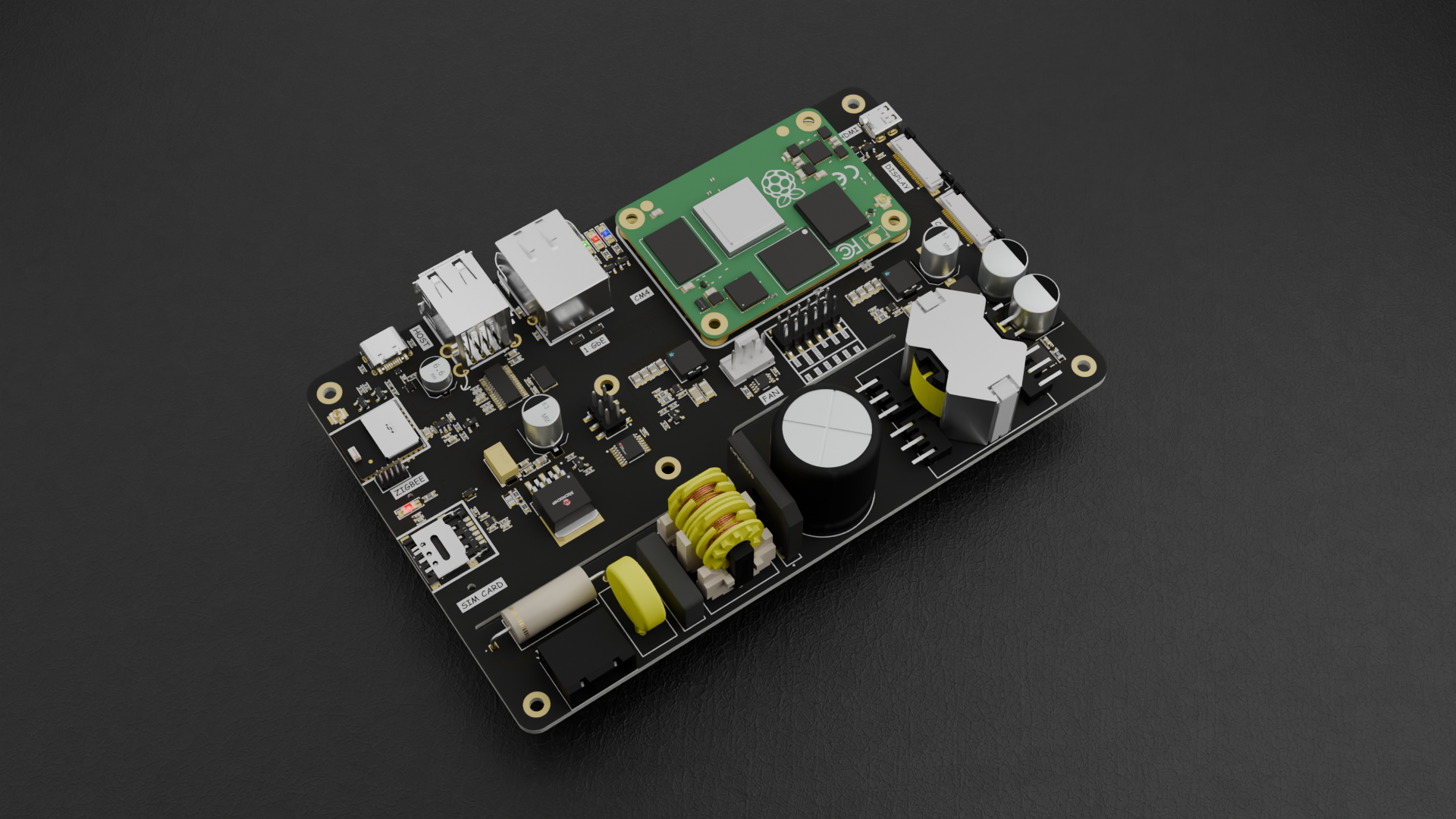
Smart Home Gateway
This smart home gateway is designed to manage and connect various smart devices, featuring Wi-Fi/BLe, Zigbee, and 4G GSM for seamless wireless communication. It includes 1 Gigabit Ethernet for fast wired networking and supports M.2 SSD extension for additional storage. The board also provides CSI, DSI, and HDMI interfaces for display connectivity. Powered by the Raspberry Pi Compute Module 4 (CM4), it offers high performance and flexibility for home automation and IoT applications.
-
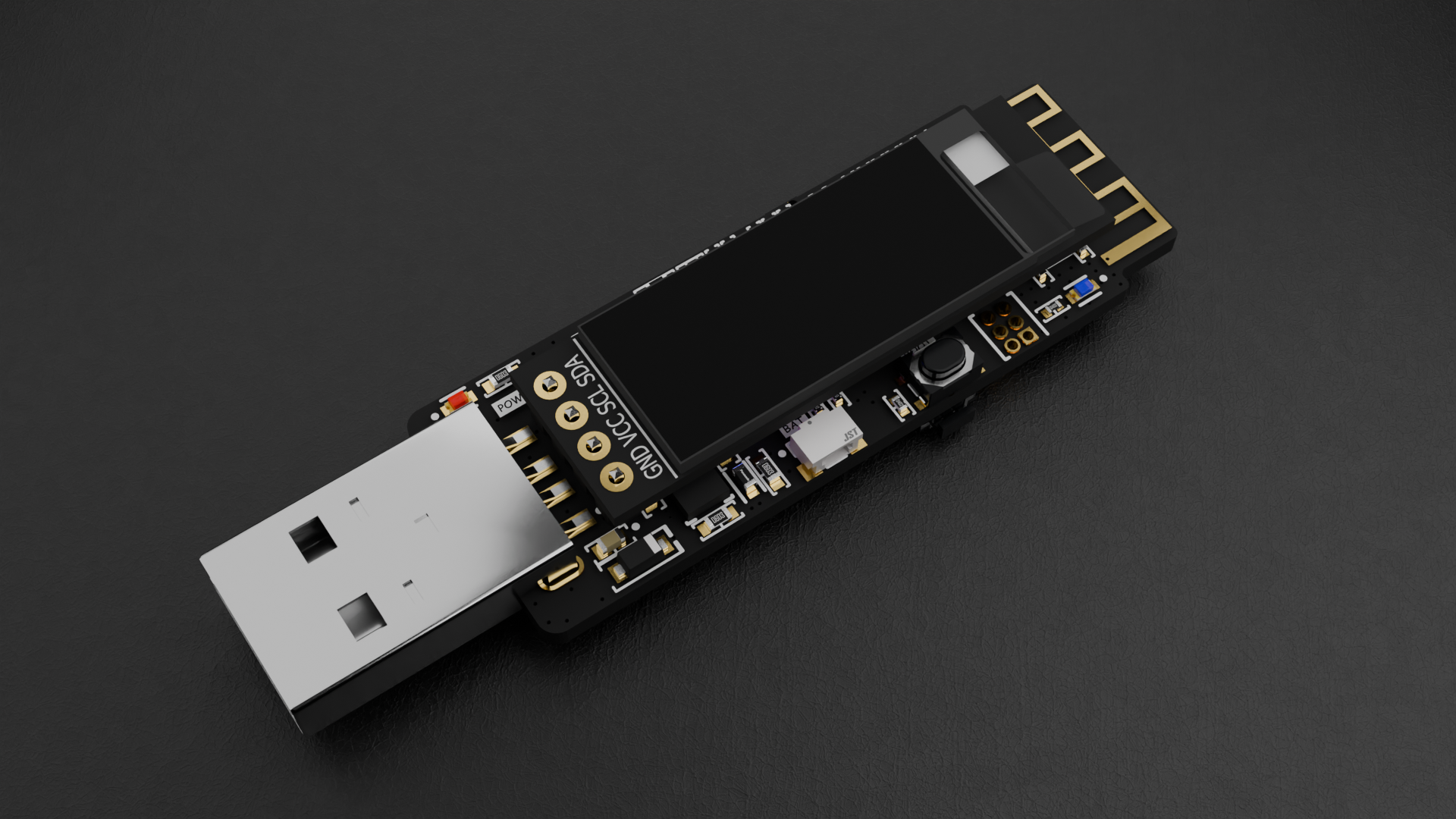
Picow Ducky
This project involves designing a compact board capable of performing USB keystroke injection, which is widely used for automation, penetration testing and cybersecurity research. The board integrates Wi-Fi, allowing it to host a web server where users can upload payloads, change settings and remotely control execution.
-
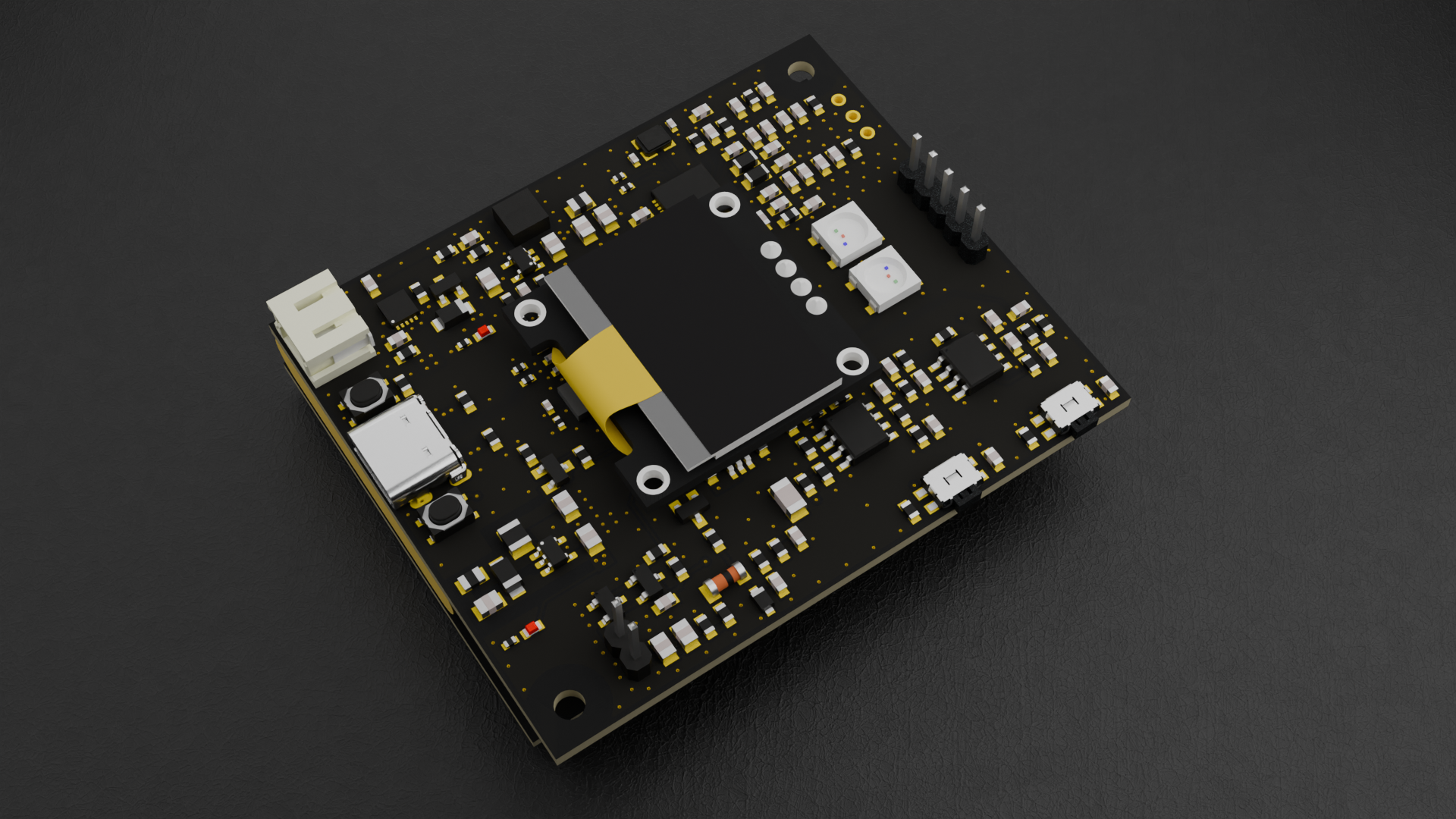
RFingan
This project focuses on developing a RFID board capable of reading, writing, and emulating RFID cards at both 125 kHz and 13.56 MHz frequencies. The board is powered by the RP2040 microcontroller, utilizing the PN532 for HF RFID operations and a custom analog circuit for LF RFID handling. The firmware is based on FreeRTOS, ensuring efficient multitasking and real-time performance.
-
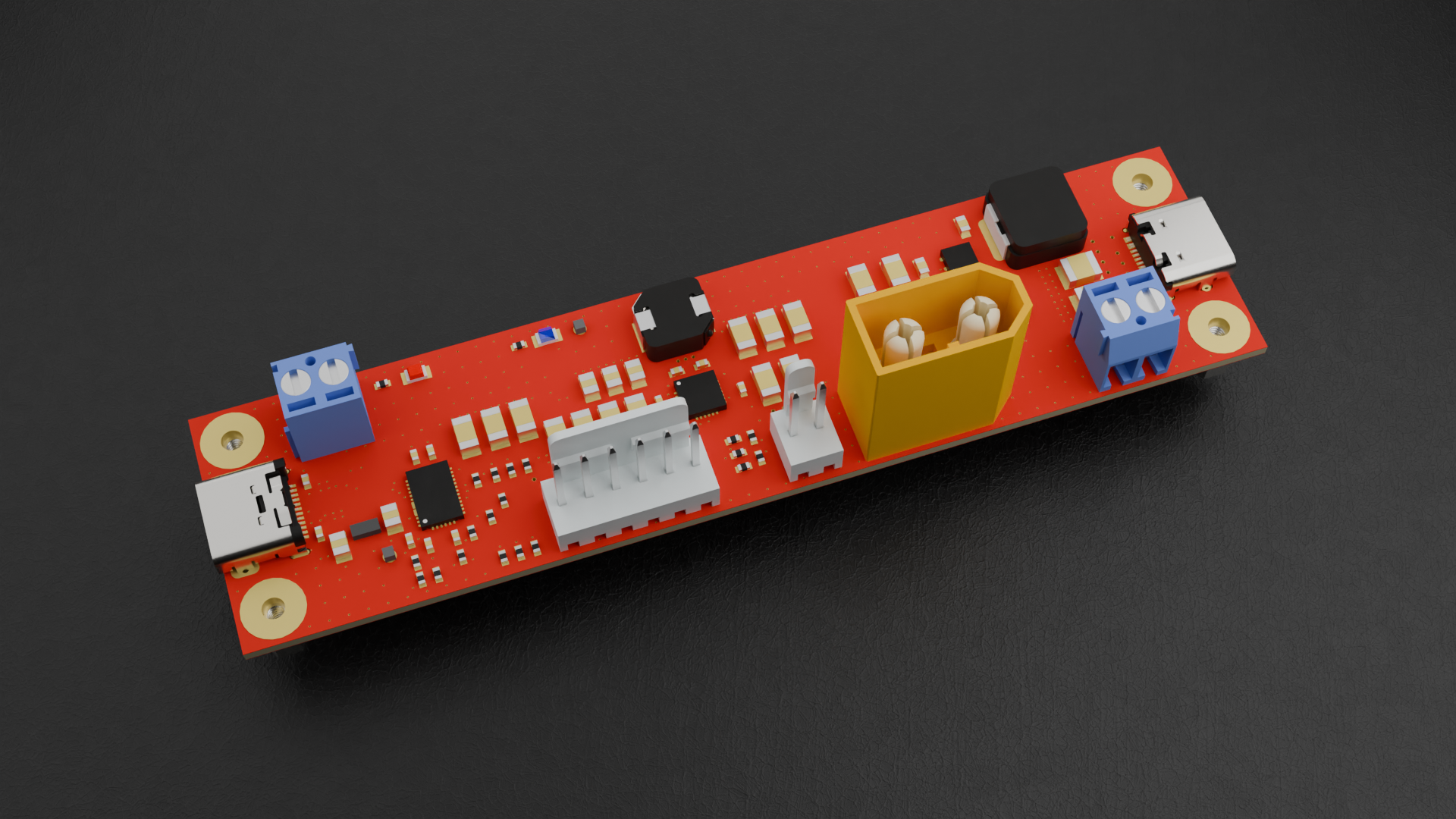
UPS Stick
This project focuses on developing a RFID board capable of reading, writing, and emulating RFID cards at both 125 kHz and 13.56 MHz frequencies. The board is powered by the RP2040 microcontroller, utilizing the PN532 for HF RFID operations and a custom analog circuit for LF RFID handling. The firmware is based on FreeRTOS, ensuring efficient multitasking and real-time performance.